Steve Beddingfield’s FIRM Protocol: A Unique Fenbendazole-Based Approach

Photo of Steve Beddingfield, Jan 2013

Steve Beddingfield’s FIRM Protocol

Quick Overview
  • Author: Steve Beddingfield (microbiologist)
  • Goal: Parasite elimination, immune modulation, and systemic detoxification
  • Duration: 4–8 weeks initial phase; up to 6 months with cycling
  • Key compounds: Fenbendazole, Magnesium, Red Reishi Mushroom, Vitamin D3
  • Cycles: Initial daily use, then 1 week on / 1 week off maintenance cycling

Overview

The FIRM Protocol (Fenbendazole, Immune support, Reishi, Magnesium) was developed in the early 2010s by Steve Beddingfield, a microbiologist who applied the protocol to his own health challenges, which included thyroid cancer, Lyme disease, and Morgellons disease. Drawing on his background in microbiology, Beddingfield combined an antiparasitic agent with immune-supportive supplements to address what he described as underlying parasitic and pathogenic contributors to chronic disease.

The protocol gained community traction through online sharing, particularly in groups focused on fenbendazole as an off-label intervention. Beddingfield continued refining and distributing the protocol until his death in 2022. The version documented here reflects the core structure of the protocol as he published it, along with updates made to the regimen after his passing.

The FIRM Protocol is not an approved medical treatment, and it has not been evaluated in a formal clinical trial as a combined regimen. It is used by individuals seeking adjunctive or alternative approaches to disease management.

Dosage and Schedule

Phase 1: Initial Treatment (4–8 Weeks)

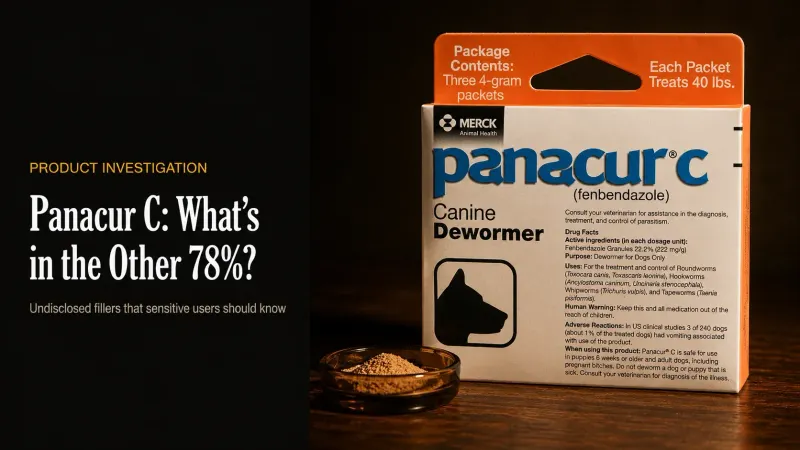
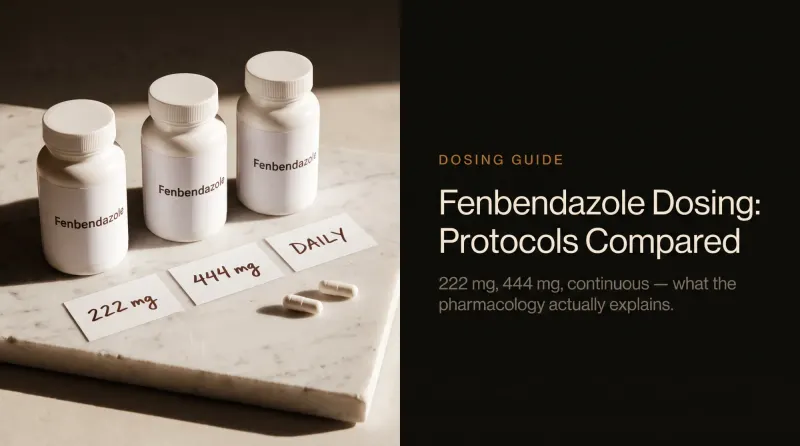
  • Fenbendazole: Approximately 222 mg per 50 lbs (22.7 kg) of body weight, taken daily. This is based on the body-weight dosing formula Beddingfield used, starting from a baseline of 222 mg for smaller individuals and scaling upward.
  • Magnesium: Taken as needed to support bowel regularity and elimination. Magnesium oxide or citrate is most commonly referenced. Dosing is adjusted to individual tolerance.
  • Red Reishi Mushroom: 1–2 teaspoons of powdered extract daily, taken with water or blended into food.
  • Vitamin D3: 5,000–10,000 IU daily. Beddingfield included D3 as an immune modulator; later versions of the protocol de-emphasized this component (see Updated Considerations below).

Phase 2: Maintenance Cycling (Beyond 8 Weeks, Up to 6 Months)

  • Fenbendazole: 1 week on, 1 week off. Dosing per body weight continues as in Phase 1.
  • Magnesium, Reishi, Vitamin D3: Continued at the same dosages during active weeks; cycling follows the fenbendazole schedule.

Dietary Adjustments

  • Whole-foods, organic diet where possible
  • Reduced sugar and refined carbohydrate intake
  • Reduced or eliminated dairy
  • Purified water (reverse osmosis or equivalent) for drinking and food preparation

Mechanism of Action

Fenbendazole

Fenbendazole is a benzimidazole anthelmintic that disrupts microtubule polymerization by binding to beta-tubulin. In a 2018 study published in Scientific Reports, Dogra et al. demonstrated that fenbendazole exhibits moderate microtubule-destabilizing activity in human cancer cell lines and causes cell death through multiple pathways, including mitochondrial translocation of p53, downregulation of GLUT transporters and hexokinase II (effectively reducing glucose uptake), and interference with proteasomal function. These findings suggest that fenbendazole’s antitumor activity may be distinct from its antiparasitic mechanism, though both rely on disruption of tubulin dynamics.

Red Reishi Mushroom (Ganoderma lucidum)

Red Reishi (Ganoderma lucidum) has been studied for immunomodulatory and potential antitumor properties. A 2016 Cochrane-affiliated meta-analysis (Jin et al., PMC6353236) found that patients receiving G. lucidum alongside chemotherapy or radiotherapy were more likely to respond positively than those receiving oncological treatment alone, and that its use was associated with modest increases in CD3, CD4, and CD8 immune cell percentages. A 2013 PLOS ONE study (Suarez-Arroyo et al.) demonstrated that Reishi suppressed protein synthesis and reduced tumor growth in inflammatory breast cancer models by downregulating PI3K/AKT/mTOR and MAPK pathway activity. Evidence is preliminary, and effects in humans as a standalone agent are not well established.

Magnesium

Magnesium is an essential cofactor in numerous enzymatic reactions, including those central to immune cell activation. A 2023 narrative review (PMC10375690) documented magnesium’s role in T-cell activation, macrophage function, B-cell immunoglobulin production, and antioxidant defense. The protocol uses magnesium primarily to support bowel motility and detoxification, with secondary interest in its immune-modulatory properties.

Vitamin D3

Vitamin D3 (cholecalciferol) influences immune cell proliferation, differentiation, and apoptosis through its active metabolite 1,25-dihydroxycholecalciferol. An umbrella review published in Clinical Nutrition ESPEN (PubMed ID 39178988) found strong evidence that vitamin D3 supplementation reduced total cancer mortality (OR 0.9, 95% CI 0.87–0.92), with highly suggestive evidence for prevention of several site-specific cancers. The review also noted that maintaining sufficient vitamin D3 levels was associated with reduced risk of renal cell and thyroid cancer. Evidence for cancer incidence reduction from supplementation remains mixed across individual trials.

Updated Considerations

Several elements of the original FIRM Protocol have been revised or clarified by the community maintaining the documentation after Beddingfield’s death in 2022:

  • Ozonated water removed: Earlier versions of the protocol recommended ozonated water as part of the regimen. This component has been removed from the current standard version, primarily due to safety concerns around ozone inhalation risk during preparation and the lack of supporting evidence for added benefit.
  • Vitamin D3 de-emphasized: Later community updates moved D3 from a core component to an optional or individually determined one. The original protocol included D3 at 5,000–10,000 IU as a standard item; current guidance suggests testing serum levels and supplementing based on individual deficiency rather than using a fixed high dose.
  • Iodine in early versions: Some early iterations of the protocol included iodine supplementation as part of the detoxification phase. This was removed from the main protocol and is not part of the standard current formulation.
  • Liver monitoring: Beddingfield’s own guidance emphasized routine liver function monitoring throughout the protocol. This recommendation remains part of the community-maintained documentation and reflects appropriate caution given the extended duration of fenbendazole use.

Important Considerations

Fenbendazole is approved for veterinary use as an antiparasitic agent. It is not approved by the FDA or equivalent regulatory bodies for use in humans for any indication, including cancer treatment. Use in humans is off-label and not supported by randomized controlled trial data.

Reported side effects of fenbendazole in humans include elevated liver enzymes, nausea, and gastrointestinal discomfort, particularly at higher doses or during extended use. High-dose vitamin D3 supplementation carries a risk of hypercalcemia. Magnesium supplementation at high doses may cause diarrhea and electrolyte imbalance. Reishi mushroom preparations are generally well tolerated but may interact with anticoagulant medications.

Fenbendazole may interact with other medications, including metronidazole, salicylanilide anthelmintics, and potentially some chemotherapy agents. Anyone taking prescription medications should consult a prescribing physician before adding fenbendazole to their regimen.

This protocol has not been evaluated in formal clinical trials as a combined regimen. The information presented is for educational purposes only. Always consult a qualified healthcare professional before starting any new treatment protocol.

Sources
  1. FenbendazoleHelp.org. Original FIRM Protocol Documentation. FenbendazoleHelp.org. View Protocol
  2. Dogra N, Kumar A, Mukhopadhyay T. Fenbendazole acts as a moderate microtubule destabilizing agent and causes cancer cell death by modulating multiple cellular pathways. Scientific Reports. 2018;8:11926. View Study
  3. Jin X, Ruiz Beguerie J, Sze DM, Chan GC. Ganoderma lucidum (Reishi mushroom) for cancer treatment. Cochrane Database of Systematic Reviews. 2016. PMC6353236. View Study
  4. Suarez-Arroyo IJ, Rosario-Acevedo R, Aguilar-Perez A, et al. Anti-Tumor Effects of Ganoderma lucidum (Reishi) in Inflammatory Breast Cancer in In Vivo and In Vitro Models. PLOS ONE. 2013;8(2):e57431. View Study
  5. Chauhan S, Bhatt DL, Sharma A, et al. A narrative review on the role of magnesium in immune regulation, inflammation, infectious diseases, and cancer. Journal of Health, Population, and Nutrition. 2023. PMC10375690. View Review
  6. Oristrell J, Oliva JC, Casado E, et al. Vitamin D3 and cancer risk in healthy subjects: An umbrella review of systematic reviews and meta-analyses. Clinical Nutrition ESPEN. 2024;63:776–786. PubMed ID 39178988. View Study
  7. FenbendazoleHelp.org. Steve Beddingfield’s Journey with Fenbendazole. FenbendazoleHelp.org. 2024. View Biography
Share the Post:

Related Posts