Hybrid Orthomolecular Protocol for Metabolic Balance
- Author: Baghli I, et al. — affiliated with the International Society for Orthomolecular Medicine (ISOM)
- Goal: Target cancer metabolism via the mitochondrial-stem cell connection (MSCC) and cancer stem cells (CSCs)
- Duration: 12-week protocol cycle
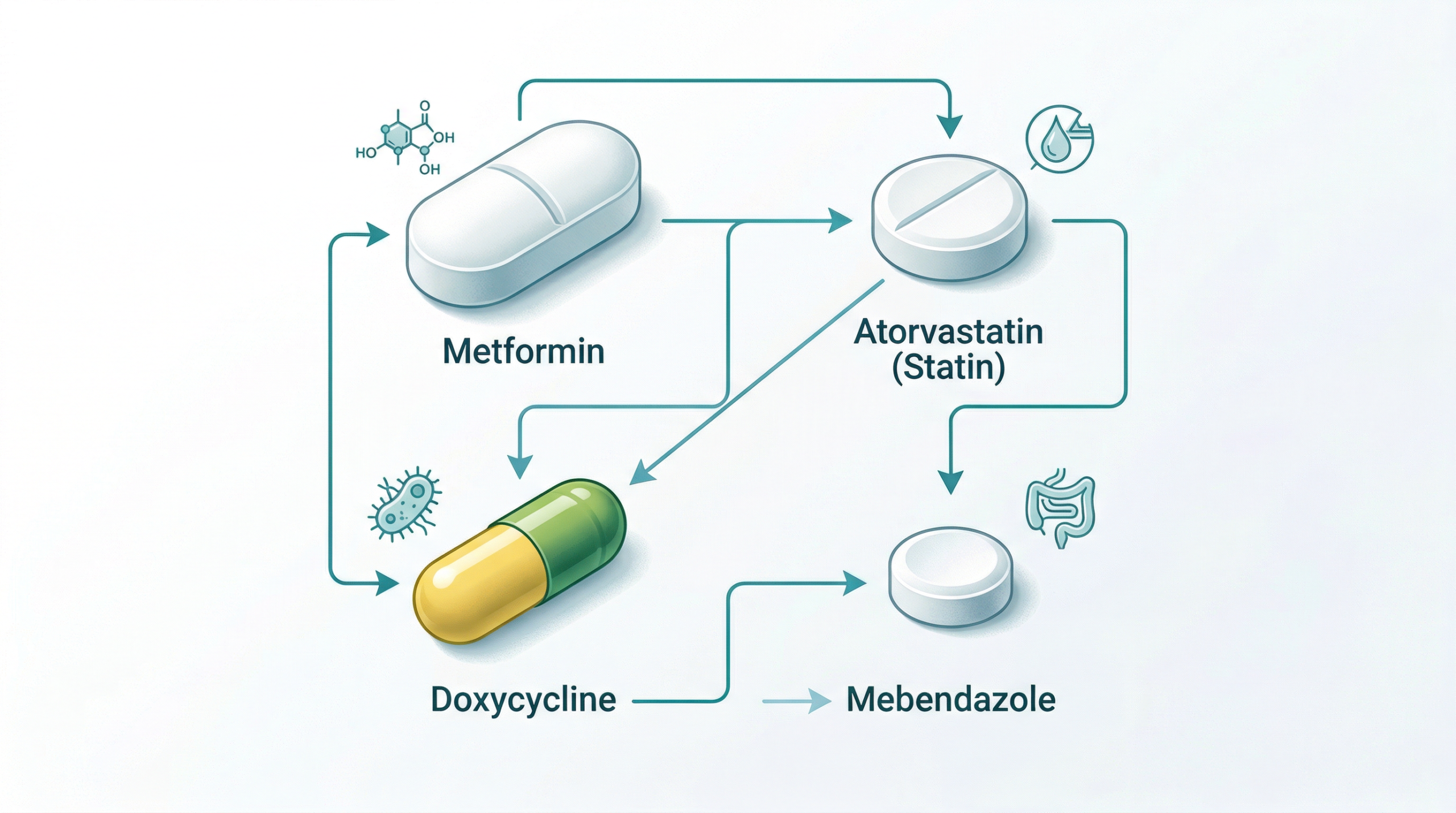
- Key compounds: IV Vitamin C, Vitamin D, Zinc, Ivermectin, Mebendazole or Fenbendazole, DON (6-diazo-5-oxo-L-norleucine), ketogenic diet, moderate aerobic exercise
- Cycles: Average 12 weeks; duration adjustable by physician based on individual patient response
Overview
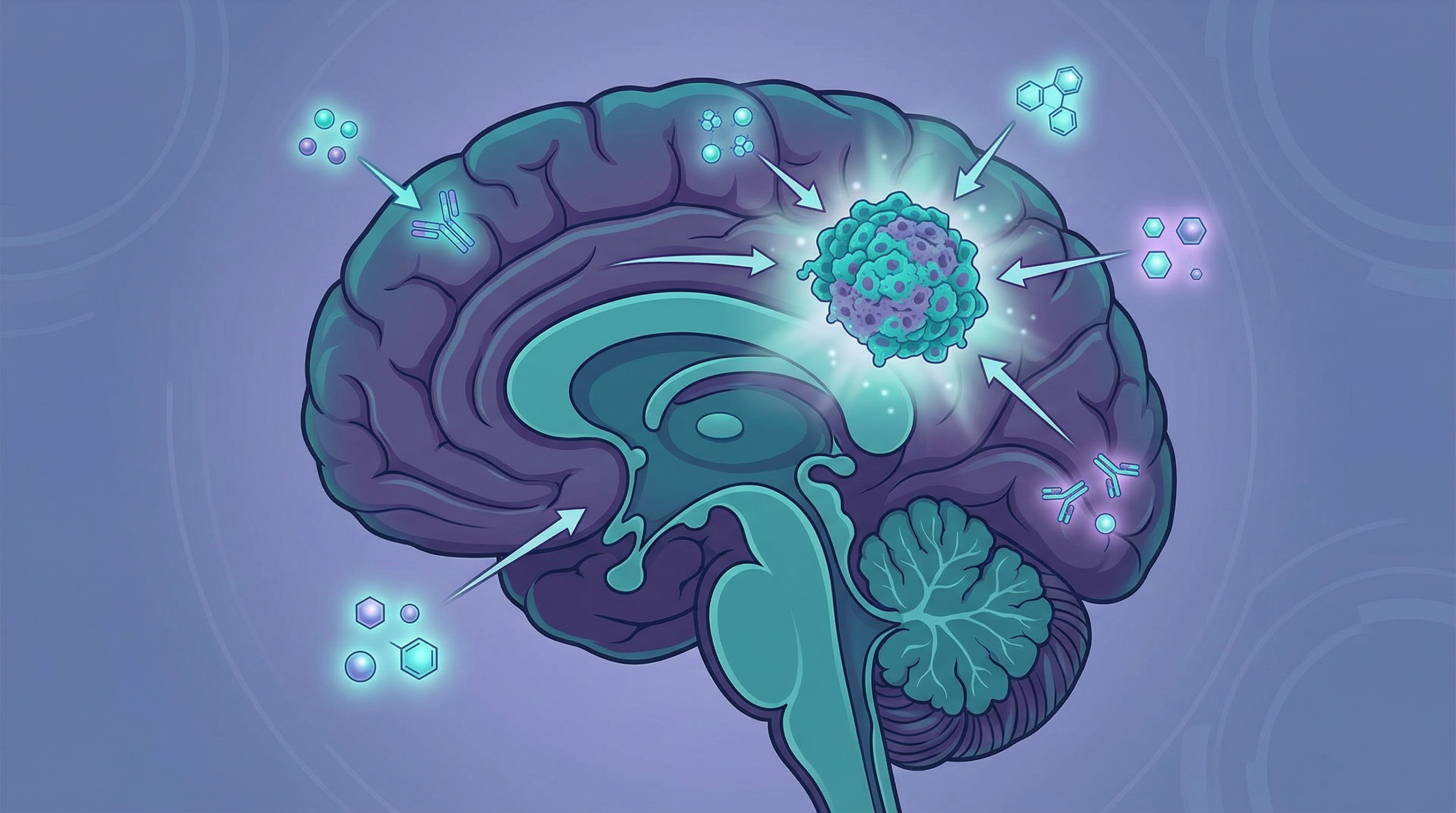
The Hybrid Orthomolecular Protocol was developed by researchers affiliated with the International Society for Orthomolecular Medicine (ISOM) and published in the Journal of Orthomolecular Medicine (Volume 39, Number 3, 2024). It is built around the mitochondrial-stem cell connection (MSCC) hypothesis, which proposes that impaired oxidative phosphorylation (OxPhos) in one or more stem cells can initiate the formation of cancer stem cells (CSCs), leading to tumorigenesis. According to this framework, the degree of malignancy correlates with reduced mitochondrial respiratory capacity in tumor cells.
The protocol argues that standard cancer therapies primarily target DNA mutations but do not restore OxPhos or eliminate CSCs, which are central to metastasis and therapy resistance. The MSCC framework draws from two established models — the metabolic theory of cancer and the cancer stem cell theory — synthesizing them into a unified rationale for targeting both cellular energy metabolism and stem cell behavior simultaneously.
In response to this hypothesis, the authors reviewed preclinical and clinical literature and assembled a combination of orthomolecular agents, repurposed drugs, dietary intervention, and exercise that are individually documented to support OxPhos, inhibit glycolysis and glutaminolysis, and target CSCs. The result is a multicomponent 12-week regimen proposed as a complementary therapeutic strategy. It has not been evaluated as a combined regimen in a formal clinical trial.
Dosage and Schedule
Vitamin C (Intravenous)
- Dose: approximately 1.5 g/kg/day
- Frequency: 2 to 3 times per week
- Administration: intravenous (IV) only; oral dosing does not achieve the plasma concentrations required for pro-oxidant activity
Vitamin D
- Tiered dosing based on baseline serum 25(OH)D levels
- Target serum level: 80 ng/mL
- Dosage is adjusted by physician based on laboratory monitoring
Zinc
- Dose: approximately 1 mg/kg/day
- Continue until serum zinc reaches 80–120 mcg/dL
- Monitor serum levels to avoid excess
Ivermectin
- Dose: 0.5 to 2 mg/kg, scaled by cancer grade
- Frequency: 3 times per week (lower grades) to daily (higher grades)
Mebendazole or Fenbendazole
- Mebendazole: 200 to 1,500 mg/day, scaled by cancer grade
- Fenbendazole (alternative for high-grade cancers): 1,000 mg taken 3 times per week
- These are considered interchangeable benzimidazole options within the protocol
DON (6-Diazo-5-oxo-L-norleucine)
- Dose: 0.2 to 1.1 mg/kg
- Requires clinical supervision due to known toxicity profile (see Important Considerations)
Ketogenic Diet
- Caloric intake: 900 to 1,500 kcal/day
- High fat, moderate protein, very low carbohydrate composition
- Intended to reduce circulating glucose and insulin, limiting fermentable fuel availability for cancer cells
Physical Activity
- Moderate aerobic activity, 3 times per week
- Session duration: 45 to 75 minutes per session
Mechanism of Action
High-Dose Intravenous Vitamin C
When administered intravenously at pharmacological doses (plasma levels exceeding 1 mM), vitamin C acts as a pro-oxidant rather than an antioxidant. Ascorbate reduces ferric iron (Fe³⁺) to ferrous iron (Fe²⁺) via the Fenton reaction, generating hydrogen peroxide (H₂O₂) and hydroxyl radicals in the extracellular space. Cancer cells, which carry elevated intracellular iron and reduced antioxidant enzyme capacity, are selectively vulnerable to this oxidative damage. Normal cells are largely spared. High-dose IV vitamin C also disrupts glycolysis and inhibits ATP production, compounding energy stress in cancer cells already reliant on fermentative metabolism.
Vitamin D
Vitamin D (as calcitriol, the active metabolite) exerts anti-proliferative effects across multiple cancer types. It promotes cell differentiation and apoptosis, inhibits angiogenesis, and suppresses metastatic signaling. In vitro studies show vitamin D arrests cancer cells in the G0/G1 or G2/M phase of the cell cycle and downregulates proliferative signals. Vitamin D also modulates immune responses by activating T cells, dendritic cells, and natural killer (NK) cells while reducing tumor-promoting inflammation. These immunomodulatory properties may support the immune system’s capacity to recognize and destroy cancer cells.
Ivermectin
Ivermectin, an antiparasitic derived from Streptomyces avermitilis, interferes with multiple oncogenic signaling pathways. Its anti-cancer activity has been linked to inhibition of PAK1 kinase, suppression of the WNT/β-catenin and Akt/mTOR pathways, and induction of mitochondrial dysfunction leading to apoptosis. Ivermectin also inhibits the last step of glycolysis by targeting pyruvate kinase muscle isoforms, and it can induce autophagy in cancer cells. Preclinical evidence indicates it selectively targets CSCs and reduces metastatic potential, with in vitro studies demonstrating greater efficacy against breast cancer CSCs than paclitaxel.
Mebendazole and Fenbendazole
Both mebendazole and fenbendazole belong to the benzimidazole class and share a primary mechanism of binding to tubulin, inhibiting its polymerization into microtubules. This disrupts mitotic spindle formation, preventing cell division in a manner similar to vinca alkaloids and taxanes. Beyond tubulin inhibition, benzimidazoles impair glucose uptake and reduce hexokinase activity, further compromising the energy supply of glycolysis-dependent cancer cells. Mebendazole has also been shown to inhibit several pro-survival kinases including BCR-ABL and BRAF in the nanomolar range.
DON (6-Diazo-5-oxo-L-norleucine)
DON is a glutamine antagonist that irreversibly inhibits multiple glutamine-dependent enzymes, blocking glutaminolysis — the process by which cancer cells use glutamine as an alternative carbon and nitrogen source. Rapidly proliferating cancer cells rely heavily on glutamine for lipid synthesis, nucleotide biosynthesis, and maintenance of TCA cycle intermediates. By broadly inhibiting glutamine amidotransferases, DON creates a metabolic block that is particularly consequential in cancers with high glutamine dependence. DON has been investigated as an anticancer agent for decades, with early clinical trials showing antitumor activity, though high intermittent doses caused significant gastrointestinal toxicity; lower daily dosing strategies and prodrug formulations are under active investigation to improve the therapeutic index.
Ketogenic Diet
The ketogenic diet (KD) restricts carbohydrates severely, reducing circulating glucose and insulin levels and shifting systemic metabolism toward fat oxidation and ketone body production. Cancer cells — which predominantly rely on glycolysis (the Warburg effect) due to dysfunctional mitochondrial oxidative phosphorylation — are poorly equipped to utilize ketone bodies, placing them under metabolic stress. The KD also suppresses insulin and IGF-1 signaling, which feed the PI3K/Akt/mTOR proliferative pathway. Normal cells adapt readily to ketone metabolism, creating a differential metabolic environment that may selectively disadvantage tumor cells. Evidence from preclinical models and early clinical data supports glucose reduction and insulin suppression as measurable outcomes, though robust clinical evidence for tumor response remains limited.
Important Considerations
Medical supervision is required. Several components of this protocol carry meaningful clinical risk and cannot be safely self-administered. Intravenous vitamin C requires a clinical setting for administration, monitoring of renal function, and screening for G6PD deficiency, as high-dose IV ascorbate can precipitate hemolytic anemia in G6PD-deficient patients. DON has a documented toxicity profile including dose-limiting nausea, vomiting, and gastrointestinal toxicity; it should only be administered under direct oncologist supervision with careful dose titration.
Dosing is scaled by cancer grade and requires physician oversight. The protocol specifies dose ranges rather than fixed dosages for ivermectin, mebendazole/fenbendazole, and DON, with higher-grade cancers receiving higher doses. Determining appropriate dosing based on tumor grade and individual patient factors — including weight, renal and hepatic function, comorbidities, and concurrent medications — requires the judgment of a qualified oncologist or integrative medicine physician.
DON’s toxicity profile is established. Phase I clinical trials of DON from the 1980s documented significant gastrointestinal adverse effects at high intermittent doses. While newer prodrug strategies aim to address this, the specific DON formulations referenced in this protocol may not correspond to the improved delivery systems currently under investigation. Patients and clinicians should be aware of this limitation when considering DON.
This is a theoretical framework, not a validated clinical protocol. The Hybrid Orthomolecular Protocol is a proposed therapeutic strategy based on a review of individual preclinical and early clinical studies for each component. The combination of these agents has not been evaluated in any formal clinical trial as a combined regimen. The underlying MSCC hypothesis, while drawing on published metabolic and stem cell cancer research, has not itself been confirmed in prospective human studies. The evidence base for each individual component varies considerably in quality and clinical translatability.
This protocol has not been evaluated in formal clinical trials as a combined regimen. The information presented is for educational purposes only. Always consult a qualified healthcare professional before starting any new treatment protocol.
Sources
- Baghli I, et al. Targeting the Mitochondrial-Stem Cell Connection in Cancer Treatment: A Hybrid Orthomolecular Protocol. Journal of Orthomolecular Medicine. 2024;39(3). ISOM — Full Article
- Böttger F, et al. High-Dose Intravenous Vitamin C for Cancer Therapy. Cancers. 2021;13(6):1428. PMC8003833
- Clem BF, et al. Intravenous Vitamin C for Cancer Therapy. Frontiers in Physiology. 2018;9:1182. PMC6115501
- Juarez M, et al. Ivermectin, a potential anticancer drug derived from an antiparasitic drug. Pharmacological Research. 2020;163:105207. PMC7505114
- Dömling A, et al. Mebendazole as a Candidate for Drug Repurposing in Oncology. Cancers. 2019;11(9):1326. PMC6769799
- Lemberg KM, et al. We’re Not “DON” Yet: Optimal Dosing and Prodrug Delivery of 6-Diazo-5-oxo-L-norleucine. Molecular Cancer Therapeutics. 2018;17(9):1824–1832. PMC6130910
- Talib WH, et al. Vitamin D in Cancer Prevention and Treatment: A Review of Clinical and Preclinical Evidence. Cancers. 2024;16(19):3281. PMC11430526
- Oliveira CLP, et al. Ketogenic Diets and Cancer: Emerging Evidence. Federal Practitioner. 2019;35(Suppl 5):33S–42S. PMC6375425