Repurposed Antiparasitic Drugs in Oncology: A Landscape Overview
Drug repurposing — the application of existing approved compounds to new therapeutic indications — has become an active area in oncology research. Antiparasitic drugs are among the most studied compound classes in this space, offering the advantage of established safety profiles, known human pharmacokinetics, and existing regulatory approval, which can significantly shorten the pathway to clinical investigation.
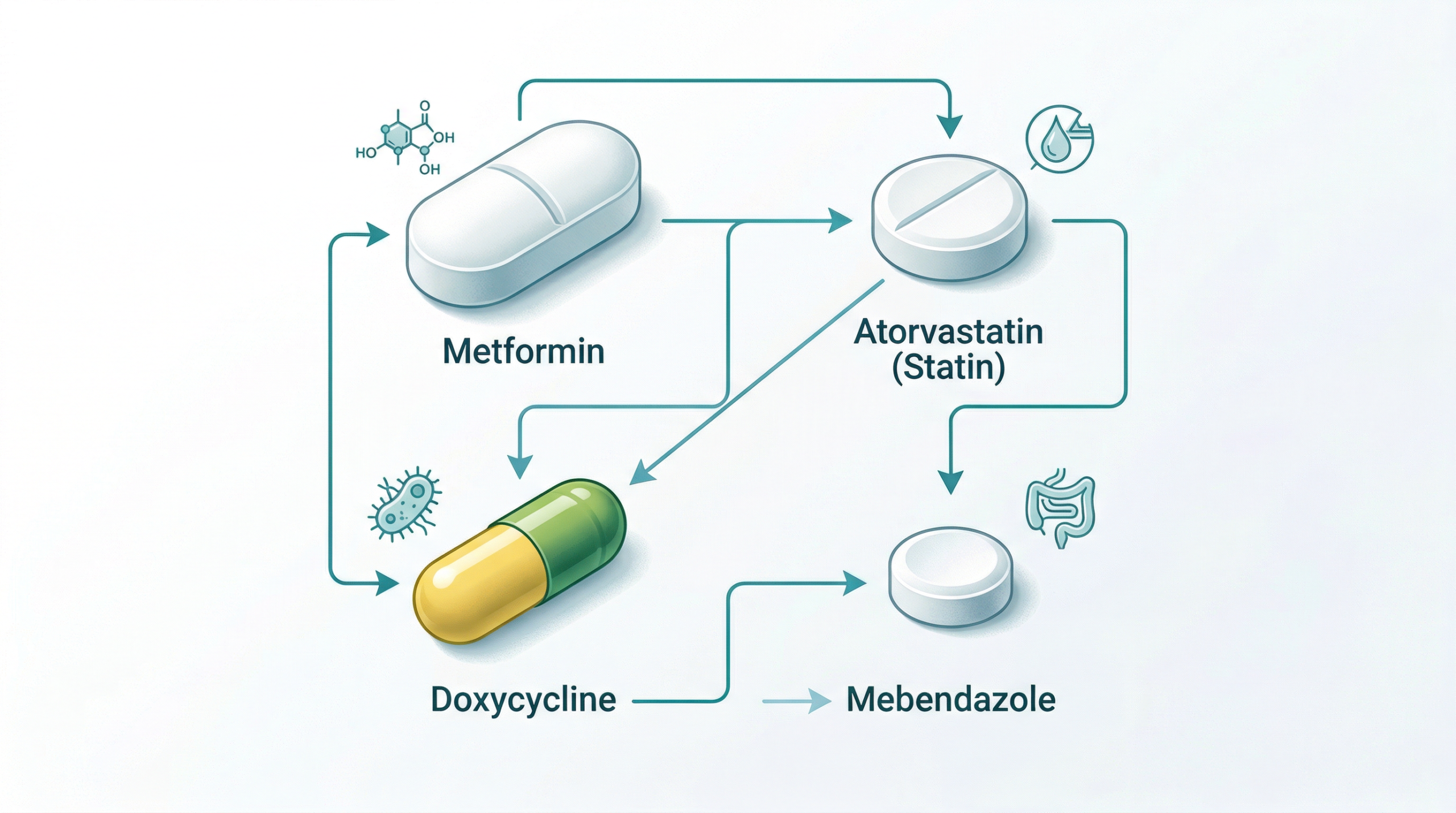
This overview surveys the major antiparasitic drug classes currently under investigation in cancer research, summarizing key laboratory and early clinical findings for each. The agents covered include benzimidazoles (fenbendazole, mebendazole), ivermectin, niclosamide, pyrvinium pamoate, chloroquine and hydroxychloroquine, nitazoxanide, and artemisinin derivatives. Each operates through distinct mechanisms, targeting different vulnerabilities in cancer cell biology.
Why Antiparasitic Drugs Are Being Studied in Cancer
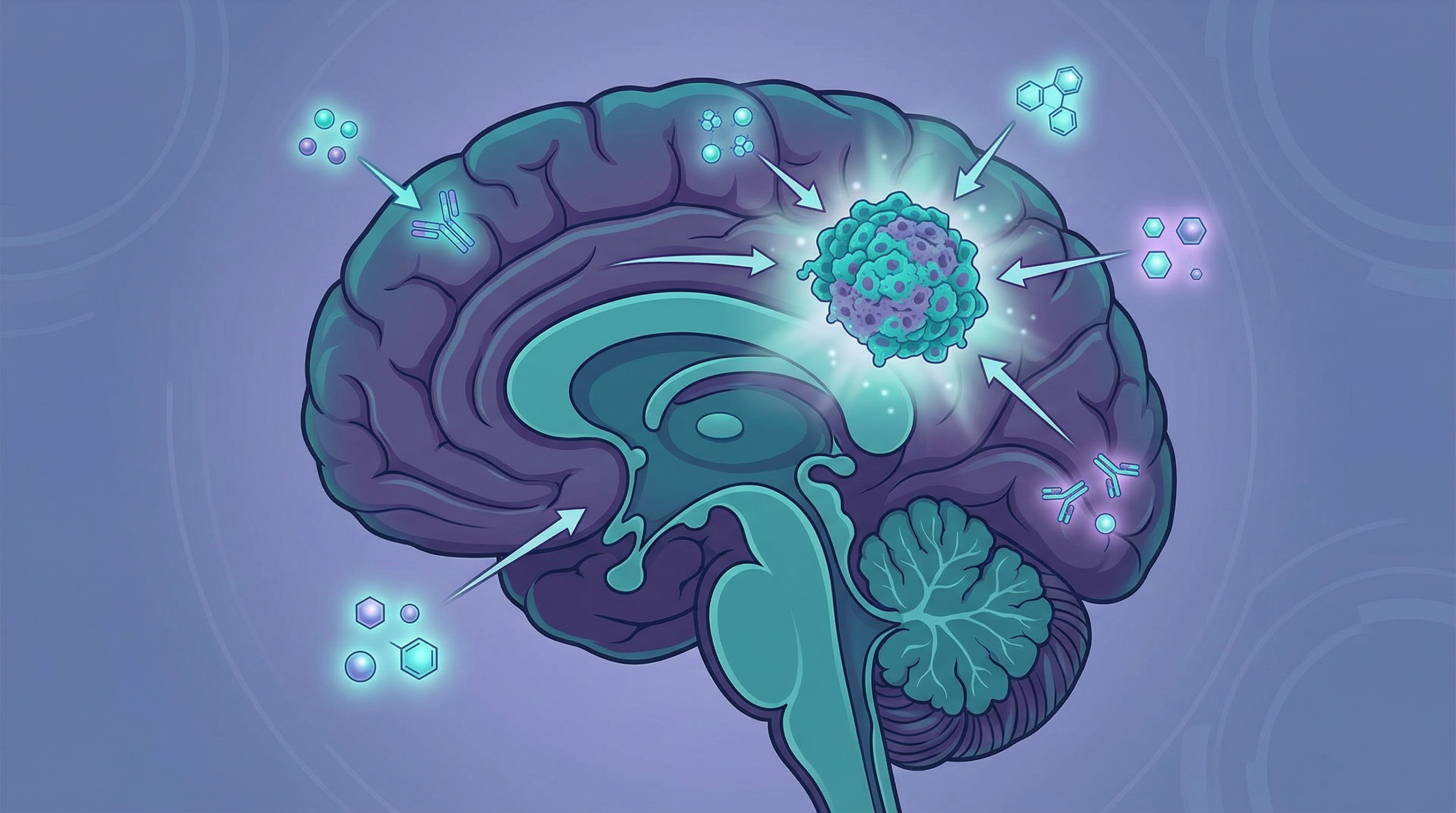
Many antiparasitic compounds evolved to disrupt fundamental cellular processes — microtubule dynamics, mitochondrial energy metabolism, ion channel function — that are also critical to cancer cell survival. Because these mechanisms differ substantially from those targeted by conventional chemotherapy, antiparasitic drugs may offer activity in drug-resistant tumors and potential for synergy when combined with existing treatments.
A comprehensive 2021 review by Huang et al. in Drug Design, Development and Therapy surveyed multiple antiparasitic drug classes and documented mechanistic diversity spanning ferroptosis induction, autophagy regulation, mitochondrial disruption, immunomodulation, and metabolic interference — categories that largely do not overlap with the DNA-damaging and antimetabolite mechanisms of first-line chemotherapy. This mechanistic complementarity forms the scientific rationale for current repurposing research.
Additionally, the safety profiles of these compounds — many used by hundreds of millions of people globally for parasitic infections — provide a foundation of human tolerability data that de novo oncology drugs must establish from scratch. The Son et al. 2020 review in Immunity & Network explicitly identifies this existing safety record as a key advantage for benzimidazoles in rapid clinical translation.
- Benzimidazoles (fenbendazole, mebendazole): Disrupt tubulin polymerization and the ubiquitin-proteasome system; active in colorectal, lung, pancreatic, and hepatocellular cancer cell lines; retain activity in drug-resistant cells.
- Ivermectin: Most mechanistically diverse antiparasitic in cancer research; targets PAK1/Akt, WNT-TCF, Hippo, purinergic, and epigenetic (SIN3) pathways; antitumor activity demonstrated at clinically feasible concentrations.
- Niclosamide: Identified as one of the most potent anti-cancer hits in a 1,600-compound approved-drug screen; active in hypoxic dormant tumor cells typically resistant to conventional therapy via STAT3 and mTOR inhibition.
- Nitazoxanide: Activates AMPK and suppresses c-Myc and mTOR; synergized with irinotecan in colorectal cancer animal models.
- Pyrvinium pamoate: Kills triple-negative breast cancer stem-like cells and reduces metastases via lipid anabolism inhibition — specifically targeting chemotherapy-resistant cancer stem cell populations.
- Chloroquine/HCQ: The most clinically advanced antiparasitic class in oncology; meta-analysis of clinical trials shows improved response rates and survival when used as autophagy inhibitors.
- Artemisinins: Induce iron-dependent ferroptosis; artesunate synergizes with sorafenib in hepatocellular carcinoma; active in lung, breast, colorectal, and ovarian cancer models.
Benzimidazoles: Fenbendazole, Mebendazole, and Relatives
Benzimidazoles constitute the most extensively characterized antiparasitic class in oncology research. The class includes fenbendazole, mebendazole, albendazole, and flubendazole, among others. Their primary anti-cancer mechanism involves binding to tubulin — the building block of microtubules — and disrupting polymerization, analogous to the mechanism of taxane and vinca alkaloid chemotherapy agents but with distinct binding sites and kinetics.
The 2020 review by Son, Lee, and Adunyah in Immunity & Network surveyed eight benzimidazoles across published cancer cell line, animal model, and early clinical data, documenting consistent anticancer effects via microtubule disruption, apoptosis induction, G2/M cell cycle arrest, anti-angiogenesis, and glucose transporter blockade. Importantly, the review noted that benzimidazoles retained activity in cancer cells resistant to conventional chemotherapy agents and enhanced efficacy when used in combination with existing treatments.
A 2021 screening study by Florio et al. (Pharmaceuticals) tested multiple benzimidazoles against paraganglioma, pancreatic, and colorectal cancer cell lines, finding IC50 values in the low micromolar to nanomolar range for several compounds including fenbendazole. The 2022 review by Song et al. in Cancers examined 11 benzimidazoles and identified consistent anticancer activity while noting that improving oral bioavailability — currently a limiting factor — through novel formulation strategies could enhance clinical utility.
Ivermectin: Multi-Target Anticancer Activity
Ivermectin is a macrocyclic lactone antiparasitic used by over 200 million people annually for infections including onchocerciasis (river blindness) and lymphatic filariasis. In oncology research, it stands out for the breadth of cancer-relevant pathways it appears to affect. The comprehensive 2018 review by Juarez et al. in the American Journal of Cancer Research catalogued ivermectin targets including the Akt/mTOR pathway, WNT-TCF signaling, P2X purinergic receptors, PAK1, SIN3A/B epigenetic co-repressors, RNA helicase, and chloride channel receptors.
A particularly notable finding came from a 2016 study by Dou et al. in Cancer Research: ivermectin induces cytostatic autophagy in breast cancer cells by blocking PAK1 through ubiquitination-mediated degradation, reducing Akt phosphorylation, and suppressing Akt/mTOR signaling — with tumor growth suppression demonstrated in xenograft models. In a subsequent 2020 study, Juarez et al. tested ivermectin at 5 µM (a clinically feasible concentration) across 28 malignant cell lines and found breast cancer lines were among the most sensitive, with documented synergy with docetaxel, cyclophosphamide, and tamoxifen.
Ivermectin also inhibits P-glycoprotein (MDR1), a major mediator of multidrug resistance that pumps conventional chemotherapy drugs out of cancer cells. This MDR inhibition property, first established by Pouliot et al. in 1997, suggests potential for restoring chemosensitivity in drug-resistant tumors — a clinically significant application if confirmed in controlled studies.
Niclosamide: Activity in Hypoxic and Dormant Tumor Cells
Niclosamide is an antitapeworm drug with a long safety record in human medicine. Its cancer biology was brought into focus by a landmark 2015 study by Senkowski et al. in Molecular Cancer Therapeutics, which screened 1,600 approved drugs in three-dimensional hypoxic tumor spheroids — a model designed to mimic the nutrient-deprived, low-oxygen core of solid tumors where conventional chemotherapy is typically ineffective.
Niclosamide emerged as one of five potent antiparasitic hits in this screen. Its mechanisms in cancer cells include inhibition of STAT3 transcription factor activity, suppression of Wnt/β-catenin signaling, downregulation of mTOR, and inhibition of NF-κB. These pathways regulate cancer cell survival, proliferation, metastasis, and therapy resistance. The ability to target dormant hypoxic cells — which frequently give rise to disease recurrence after treatment — is a mechanistic property not shared by most standard chemotherapy regimens.
Nitazoxanide: AMPK Activation and Metabolic Interference
Nitazoxanide is an FDA-approved antiprotozoal used for intestinal parasitic infections. In cancer models, it activates AMPK (AMP-activated protein kinase), a master regulator of cellular energy homeostasis, while simultaneously downregulating c-Myc, mTOR, and Wnt signaling at concentrations achievable with clinical oral dosing.
In the Senkowski et al. 2015 screen, nitazoxanide specifically inhibited mitochondrial respiration in glucose-deprived tumor cells — targeting the metabolic flexibility that allows cancer cells in hypoxic tumor cores to survive. Importantly, combination of nitazoxanide with irinotecan demonstrated in vivo anticancer activity in colorectal cancer models, suggesting that metabolic disruption by nitazoxanide may enhance the efficacy of cytotoxic chemotherapy.
Pyrvinium Pamoate: Targeting Cancer Stem Cells
Pyrvinium pamoate is an antihelminthic compound that appeared in the same 1,600-compound screen as nitazoxanide and niclosamide, demonstrating potent activity in nutrient-deprived tumor conditions via mitochondrial respiration inhibition. Its significance in cancer research has grown substantially due to findings in cancer stem cells — a subpopulation believed responsible for tumor initiation, recurrence, and metastasis, and typically resistant to conventional chemotherapy.
A 2020 study by Dattilo et al. in Cancer Research demonstrated that pyrvinium pamoate kills triple-negative breast cancer stem-like cells and reduces metastases through inhibition of lipid anabolism. This mechanism — disrupting the biosynthetic pathways that cancer stem cells depend on for membrane production and signaling lipid generation — is distinct from mechanisms targeted by existing cytotoxic or targeted agents. The ability to specifically eliminate cancer stem cell populations addresses a major limitation of current cancer therapy.
Chloroquine and Hydroxychloroquine: The Most Clinically Advanced Class
Chloroquine (CQ) and hydroxychloroquine (HCQ) are antimalarial drugs that inhibit lysosomal function and block autophagy — the cellular process by which tumor cells recycle damaged organelles to maintain survival under metabolic stress. Cancer cells under treatment with chemotherapy or targeted agents often activate autophagy as a survival mechanism, and blocking this pathway may prevent resistance development.
Among antiparasitic compounds repurposed for oncology, chloroquine and hydroxychloroquine have accumulated the most clinical evidence. A meta-analysis published in Medicine by Xu et al. in 2018 analyzed seven clinical trials enrolling 293 patients and found that autophagy inhibitor-based therapy (CQ or HCQ combined with other treatments) showed significantly higher overall response rate (relative risk 1.33), six-month progression-free survival (relative risk 1.72), and one-year overall survival (relative risk 1.39) compared to controls without autophagy inhibition.
These clinical findings, while based on relatively small total patient numbers, represent the strongest human evidence among the antiparasitic drug classes discussed in this overview. Ongoing clinical trials continue to evaluate HCQ in various cancer types and treatment combinations.
Artemisinin Derivatives: Ferroptosis and Targeted Synergy
Artemisinin derivatives — including artesunate, artemether, and dihydroartemisinin — are antimalarial compounds that induce ferroptosis, a form of iron-dependent cell death driven by lipid peroxidation and reactive oxygen species (ROS) generation. This mechanism is distinct from classical apoptosis and has attracted significant interest in oncology given that some cancer cells appear to be selectively vulnerable to ferroptotic death due to high intracellular iron and elevated lipid peroxidation.
A 2021 study by Li et al. in Acta Pharmacologica Sinica demonstrated that artesunate synergizes with sorafenib — a targeted therapy used in hepatocellular carcinoma — to induce ferroptosis in liver cancer cells, producing greater tumor cell killing than either agent alone. Broader reviews have confirmed activity of artemisinin derivatives in lung, breast, colorectal, and ovarian cancer models, with the ferroptosis mechanism providing a rationale for combination with iron-loading strategies or other pro-oxidant approaches.
| Drug / Class | Primary Cancer Mechanisms | Cancer Types Studied | Evidence Stage |
|---|---|---|---|
| Fenbendazole / Mebendazole | Tubulin disruption, proteasome inhibition, glycolysis suppression, p53 reactivation | Colorectal, lung, breast, pancreatic, hepatocellular | Preclinical (cell lines, animal models) |
| Ivermectin | PAK1/Akt, WNT-TCF, P2X7 purinergic, SIN3 epigenetic, MDR inhibition | Breast, ovarian, colorectal, esophageal, leukemia | Preclinical; early clinical signals |
| Niclosamide | STAT3 inhibition, Wnt/β-catenin suppression, mTOR inhibition, NF-κB downregulation | Colorectal, breast, prostate, AML, hypoxic solid tumors | Preclinical; some early clinical trials |
| Nitazoxanide | AMPK activation, c-Myc/mTOR/Wnt suppression, mitochondrial respiration inhibition | Colorectal, pancreatic, hypoxic solid tumors | Preclinical |
| Pyrvinium pamoate | Mitochondrial respiration inhibition, lipid anabolism inhibition, cancer stem cell targeting | Triple-negative breast cancer, colorectal, pancreatic | Preclinical |
| Chloroquine / HCQ | Lysosomal autophagy inhibition, prevention of therapy-resistance recycling | Multiple solid tumors and hematologic malignancies | Clinical trials (meta-analysis published) |
| Artemisinins (artesunate) | Iron-dependent ferroptosis via ROS, lipid peroxidation, synergy with targeted agents | Hepatocellular, lung, breast, colorectal, ovarian | Preclinical; early clinical investigation |
Common Themes and Shared Vulnerabilities
Across these diverse compound classes, several shared themes emerge that may explain why compounds selected against parasites also show activity against cancer cells. Both parasites and cancer cells are rapidly proliferating systems that depend heavily on glycolysis, require intact microtubule dynamics for cell division, and rely on efficient protein turnover. Disrupting any of these fundamental processes tends to have more severe consequences for rapidly dividing malignant cells than for the relatively quiescent normal cells of most adult tissues.
A second shared theme is the ability to target cells in metabolically stressed conditions — hypoxia, nutrient deprivation, and acidosis — that characterize the tumor microenvironment of solid tumors. The Senkowski et al. 2015 screen was specifically designed to identify this property, and multiple antiparasitic compounds emerged because parasites also evolved to survive in metabolically inhospitable host environments.
A third consistent pattern is activity against drug-resistant cancer cell populations, whether through direct bypass of resistance mechanisms (benzimidazoles in 5-FU-resistant colorectal cells), inhibition of MDR efflux pumps (ivermectin), or targeting of cancer stem cells (pyrvinium pamoate). Resistance to standard therapy remains one of the primary causes of cancer mortality, making this activity pattern of particular research interest.
Limitations and the Path to Clinical Translation
Despite the breadth of preclinical evidence, the clinical translation of antiparasitic drugs as cancer treatments faces several practical obstacles. Bioavailability — the fraction of an orally administered dose that reaches systemic circulation at therapeutically relevant concentrations — is a limiting factor for several compounds, particularly the benzimidazoles. The 2022 Song et al. review in Cancers identified this as the primary barrier for benzimidazole class development and suggested that novel delivery systems (lipid nanoparticles, nanoemulsions) could potentially overcome this limitation.
Clinical trial design presents additional challenges: patient selection criteria, optimal dosing schedules, identification of predictive biomarkers, and choice of combination partners all require systematic investigation. The existing safety data from antiparasitic use provides a head start on toxicity characterization, but efficacy in human cancer patients cannot be inferred from laboratory models and must be rigorously established through controlled clinical trials.
The compounds discussed in this article are approved antiparasitic agents and antimalarials; they are not approved for cancer treatment (with the exception of chloroquine/hydroxychloroquine, which are being studied in clinical trials for oncology indications). Laboratory evidence of anti-cancer activity in cell culture or animal models does not establish clinical efficacy or safety in human cancer patients. This article is intended for informational and educational purposes only. Individuals with cancer or other medical conditions should consult qualified healthcare professionals for guidance on diagnosis and treatment options.
- Son DS, Lee ES, Adunyah SE. The Antitumor Potentials of Benzimidazole Anthelmintics as Repurposing Drugs. Immune Netw. 2020;20(4):e29. PubMed
- Juarez M, Schcolnik-Cabrera A, Dueñas-Gonzalez A. The multitargeted drug ivermectin: from an antiparasitic agent to a repositioned cancer drug. Am J Cancer Res. 2018;8(2):317–331. PubMed
- Juarez M, et al. Antitumor effects of ivermectin at clinically feasible concentrations support its clinical development as a repositioned cancer drug. Cancer Chemother Pharmacol. 2020;85(6):1079–1090. PubMed
- Senkowski W, Zhang X, Hägg Olofsson M, et al. Three-Dimensional Cell Culture-Based Screening Identifies the Anthelmintic Drug Nitazoxanide as a Candidate for Treatment of Colorectal Cancer. Mol Cancer Ther. 2015;14(6):1504–1516. PubMed
- Xu R, Ji Z, Xu C, Zhu J. The clinical value of using chloroquine or hydroxychloroquine as autophagy inhibitors in the treatment of cancers: A systematic review and meta-analysis. Medicine (Baltimore). 2018;97(46):e12912. PubMed
- Dattilo R, Mottini C, Camera E, et al. Pyrvinium Pamoate Induces Death of Triple-Negative Breast Cancer Stem-Like Cells and Reduces Metastases through Effects on Lipid Anabolism. Cancer Res. 2020;80(19):4087–4101. PubMed
- Huang H, He Q, Guo B, et al. Progress in Redirecting Antiparasitic Drugs for Cancer Treatment. Drug Des Devel Ther. 2021;15:2747–2767. PubMed
- Li ZJ, et al. Artesunate synergizes with sorafenib to induce ferroptosis in hepatocellular carcinoma. Acta Pharmacol Sin. 2021;42(2):301–310. PubMed