Fenbendazole and Breast Cancer: Emerging Research on Cell Growth Pathways
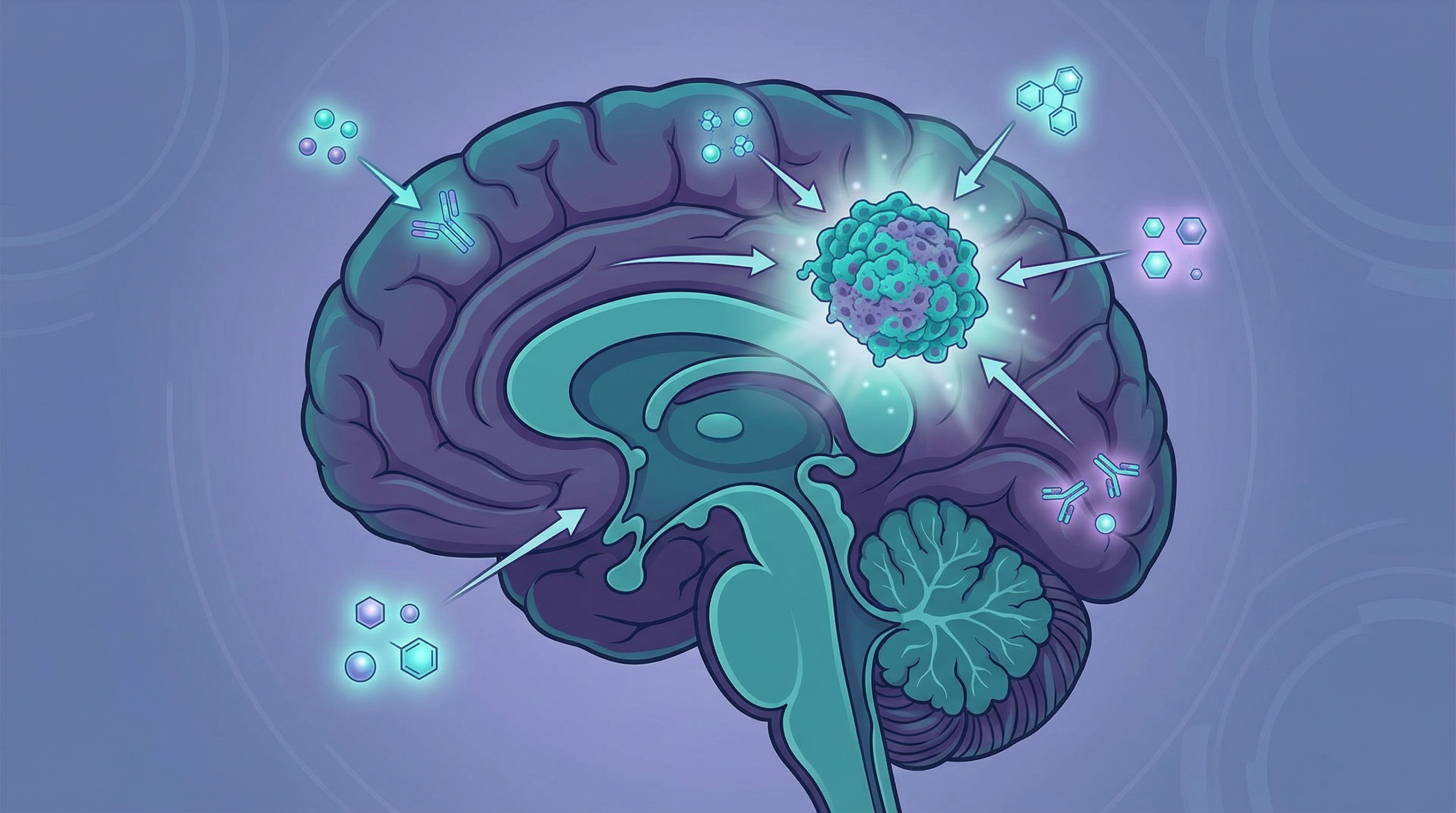
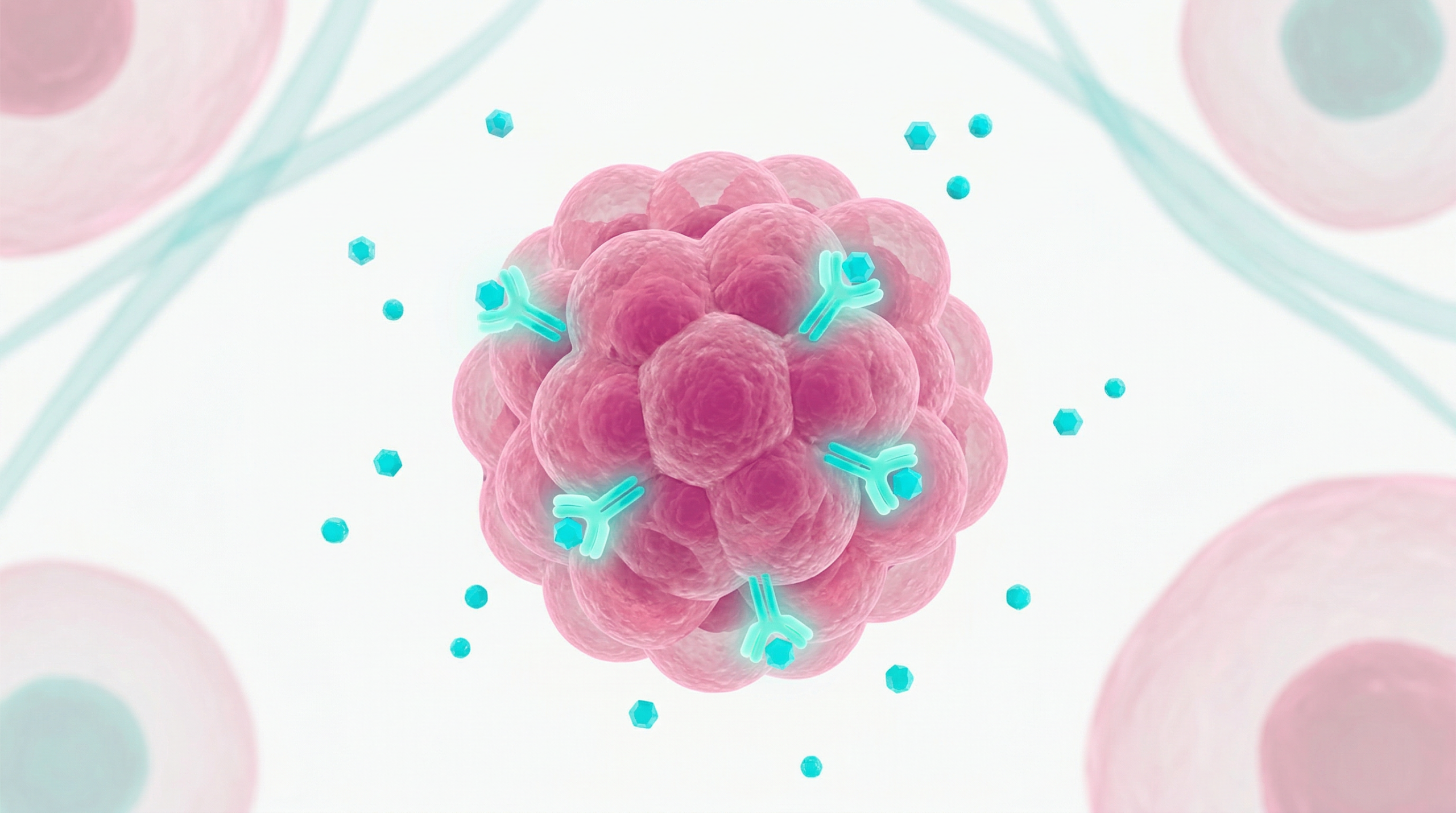
Fenbendazole, a benzimidazole anthelmintic long used in veterinary medicine, has attracted growing scientific attention for its activity in breast cancer cell models. Laboratory studies suggest it may interfere with multiple pathways relevant to breast tumor biology, including glycolysis, the ubiquitin-proteasome system, and programmed cell death cascades.
Research has examined fenbendazole across distinct breast cancer subtypes — including estrogen receptor-positive (MCF-7), triple-negative (MDA-MB-231), and other clinically challenging lineages. The emerging picture suggests differential activity across subtypes, with early data indicating particular sensitivity in the triple-negative phenotype, for which targeted therapies remain limited.
Cell Lines Studied and Differential Sensitivity
Multiple laboratory investigations have compared fenbendazole activity across breast cancer subtypes. A 2023 study by Semkova et al. published in Anticancer Research found that MDA-MB-231 triple-negative breast cancer cells displayed greater cytotoxic sensitivity to fenbendazole than luminal MCF-7 cells, with IC50 values below 10 µM in the triple-negative line.
A separate multi-cell-line screening study by Vlachou et al. (2022, Cancer Treatment and Research Communications) reported that among several human cancer cell lines tested, MDA-MB-231 breast adenocarcinoma cells were among the most sensitive to fenbendazole, again showing IC50 values below 10 µM. This pattern of heightened sensitivity in the triple-negative subtype appears across independent research groups.
The 2025 study by Pan et al. (Frontiers in Pharmacology) extended these findings, demonstrating that fenbendazole induced pyroptosis — an immunogenic form of programmed cell death — in breast cancer cells via the HK2/caspase-3/GSDME signaling pathway. In a mouse mammary carcinoma xenograft model, oral fenbendazole administration significantly reduced tumor volume and weight with minimal systemic toxicity observed on histopathological examination.
- Triple-negative sensitivity: MDA-MB-231 cells showed IC50 values below 10 µM in multiple independent studies, suggesting heightened sensitivity compared to other breast cancer subtypes.
- Selective redox effect: Fenbendazole increased oxidative stress in MDA-MB-231 cancer cells while simultaneously suppressing it in normal MCF-10A breast epithelial cells — a selectivity profile unusual for conventional cytotoxic agents.
- Pyroptosis induction: The HK2/caspase-3/GSDME pathway appears to mediate an immunogenic cell death mechanism in breast cancer cells treated with fenbendazole.
- p53 pathway reactivation: Fenbendazole and related benzimidazoles downregulate MDM2 and MDMX, potentially reactivating p53-mediated tumor suppression in breast cancers where these proteins are overexpressed.
- In vivo tumor reduction: Oral fenbendazole reduced tumor volume and weight in a mouse mammary carcinoma xenograft model with low observed toxicity.
Proteasome Inhibition and ER Stress Pathways
One of the mechanistic pathways studied in the context of fenbendazole involves the ubiquitin-proteasome system — a cellular degradation complex responsible for regulating protein turnover and tumor suppressor function. The foundational 2012 study by Dogra and Mukhopadhyay (Journal of Biological Chemistry) established that fenbendazole impairs chymotrypsin-like, post-glutamyl, and trypsin-like proteasomal activities in cancer cells.
This impairment leads to accumulation of regulatory proteins including cyclins, p53, and IκBα. Simultaneously, endoplasmic reticulum (ER) stress genes are upregulated — including GRP78, GADD153, ATF3, IRE1α, and NOXA. The net effect is induction of apoptosis in tumor cells but not in normal cells, a selectivity that distinguishes fenbendazole from classical proteasome inhibitors such as bortezomib.
These proteasome-related mechanisms have direct relevance to breast cancer biology. In hormone receptor-positive tumors and HER2-amplified subtypes, the proteasome pathway governs stability of the estrogen receptor, HER2-associated signaling complexes, and cell cycle regulators such as cyclin D1. Disrupting proteasomal function may therefore affect multiple oncogenic proteins simultaneously rather than a single receptor target.
p53 Reactivation and MDM2/MDMX Suppression
Loss or suppression of p53 tumor suppressor function is a common feature across breast cancer subtypes, including via overexpression of MDM2 (an E3 ubiquitin ligase that targets p53 for degradation) and its homolog MDMX. A 2019 study by Mrkvová et al. in Molecules demonstrated that fenbendazole and albendazole stimulate p53 transcriptional activity and increase p53 and p21 protein levels in breast cancer and melanoma cells overexpressing MDM2 and MDMX.
Critically, treatment with these benzimidazoles decreased MDM2 and MDMX protein levels, suggesting that fenbendazole may restore p53-dependent tumor suppression in cancer subtypes where these proteins are amplified or overexpressed. This mechanism is pharmacologically distinct from small-molecule MDM2 inhibitors currently in clinical development, though the functional outcome — p53 reactivation — is comparable.
Glycolysis Inhibition: HK2 and GLUT Transporter Suppression
Cancer cells, including breast cancer cells, rely heavily on aerobic glycolysis for energy production and biosynthetic precursor generation. Fenbendazole appears to interfere with this metabolic dependency through at least two mechanisms: suppression of hexokinase II (HK2), the rate-limiting enzyme of glycolysis that is overexpressed in many breast tumors, and downregulation of GLUT glucose transporter expression.
The 2018 Dogra et al. study (Scientific Reports) established that fenbendazole inhibits GLUT transporter expression and blocks HKII activity in cancer cells, effectively cutting off glucose supply. The 2025 Pan et al. study further demonstrated that fenbendazole-induced suppression of HK2-dependent glycolysis activates caspase-3, which in turn cleaves GSDME to trigger pyroptosis — a cell death cascade with inflammatory and immunogenic properties that may engage anti-tumor immune responses.
Cell Cycle Arrest Mechanisms
Fenbendazole-treated breast cancer cells demonstrate changes in cell cycle distribution consistent with arrest at the G2/M phase boundary. This effect is mechanistically linked to fenbendazole‘s activity as a moderate microtubule-destabilizing agent: by binding to tubulin and disrupting polymerization, it prevents formation of the mitotic spindle required for cell division.
The 2022 Park study (Biological and Pharmaceutical Bulletin) documented that fenbendazole upregulates p21 (a cyclin-dependent kinase inhibitor) while suppressing cyclin D1 and cyclin B1 — key regulators of G1/S and G2/M transitions, respectively. Notably, this study found that fenbendazole selectively suppressed growth of actively dividing cells while sparing quiescent cells, a profile relevant to reducing off-target effects on non-proliferating normal tissues.
| Mechanism | Target / Pathway | Key Evidence |
|---|---|---|
| Microtubule disruption | Tubulin polymerization / G2/M arrest | Dogra et al., Sci Rep 2018 |
| Proteasome inhibition | Ubiquitin-proteasome / ER stress / p53 accumulation | Dogra & Mukhopadhyay, J Biol Chem 2012 |
| Glycolysis suppression | HK2 / GLUT transporters / metabolic stress | Pan et al., Front Pharmacol 2025; Dogra et al. 2018 |
| Pyroptosis induction | HK2 / Caspase-3 / GSDME cleavage | Pan et al., Front Pharmacol 2025 |
| p53 reactivation | MDM2 / MDMX downregulation / p53 & p21 increase | Mrkvová et al., Molecules 2019 |
| Selective redox modulation | Oxidative stress increase in cancer / decrease in normal cells | Semkova et al., Anticancer Res 2023 |
Selective Toxicity: Cancer Cells vs. Normal Breast Epithelial Cells
A critical question in evaluating any anti-cancer compound is whether its cytotoxic activity is selective for tumor cells or also damages normal tissues. The Semkova et al. 2023 study (Anticancer Research) directly addressed this question using normal MCF-10A breast epithelial cells alongside cancerous MDA-MB-231 cells. The results showed that fenbendazole produced opposite effects: it significantly increased oxidative stress in the cancer cells while simultaneously suppressing oxidative stress in the normal epithelial cells.
This inverse relationship in redox response between normal and malignant cells suggests a mechanism of selective cancer cell targeting that is relatively uncommon among cytotoxic agents. Conventional chemotherapy agents typically affect both proliferating cancer cells and normal rapidly dividing tissues (such as gastrointestinal epithelium and bone marrow). The basis for this differential response with fenbendazole is not yet fully characterized but may relate to differences in baseline mitochondrial membrane potential and antioxidant capacity between cancer and normal cells.
In Vivo Evidence from Animal Models
Laboratory cell culture studies establish mechanistic plausibility but require animal model confirmation to assess in vivo pharmacokinetics and tumor growth effects. The Pan et al. 2025 study (Frontiers in Pharmacology) reported that oral administration of fenbendazole in mice bearing mammary carcinoma xenografts significantly reduced tumor volume and weight compared to vehicle-treated controls. Histopathological examination of major organs in treated animals showed minimal systemic toxicity, supporting the compound’s established safety profile.
Earlier work by Dogra et al. (2018, Scientific Reports) demonstrated that orally administered fenbendazole blocked tumor xenograft growth in nude mice, establishing oral bioavailability and in vivo activity. These findings are consistent with veterinary pharmacokinetic data indicating that fenbendazole is absorbed orally in mammals, though human bioavailability studies are limited and variable.
All findings described in this article are derived from laboratory cell culture studies and animal models. No clinical trials have evaluated fenbendazole as a breast cancer treatment in humans, and it is not approved by any regulatory agency for this purpose. This content is intended for educational and informational purposes only. Individuals should consult qualified medical professionals before making any decisions regarding cancer treatment or the use of any pharmaceutical compound outside its approved indications.
Research Gaps and Future Directions
While the preclinical data across multiple research groups is consistent in showing antiproliferative activity in breast cancer cell models, several gaps limit translation to clinical application. Human pharmacokinetic studies are needed to establish whether plasma concentrations equivalent to in vitro IC50 values are achievable with oral dosing and whether formulation strategies (such as lipid nanoparticle delivery) could improve bioavailability.
The differential sensitivity observed across breast cancer subtypes — with triple-negative lines appearing more sensitive than hormone receptor-positive lines — raises the question of whether specific biomarkers (such as HK2 expression, MDM2 amplification, or baseline oxidative stress levels) could predict responsiveness. Such biomarker identification would be an important prerequisite for designing hypothesis-driven clinical trials.
The pyroptosis mechanism identified in the Pan et al. 2025 study is particularly notable given the immunosuppressed tumor microenvironment characteristic of triple-negative breast cancer. Immunogenic cell death pathways that release damage-associated molecular patterns (DAMPs) may activate anti-tumor immune responses, suggesting potential for investigation in combination with immune checkpoint inhibitors — though this remains entirely speculative at present.
- Pan T, Jin S, Huang X, et al. Fenbendazole induces pyroptosis in breast cancer cells through HK2/caspase-3/GSDME signaling pathway. Front Pharmacol. 2025. PubMed
- Semkova S, Nikolova B, Tsoneva I, et al. Redox-mediated Anticancer Activity of Anti-parasitic Drug Fenbendazole in Triple-negative Breast Cancer Cells. Anticancer Res. 2023;43(3). PubMed
- Vlachou I, Parsonidis P, Mamagkaki A, et al. Teaching an old dog new tricks: The case of Fenbendazole. Cancer Treat Res Commun. 2022;32:100601. PubMed
- Mrkvová Z, Uldrijan S, Pombinho A, et al. Benzimidazoles Downregulate Mdm2 and MdmX and Activate p53 in MdmX Overexpressing Tumor Cells. Molecules. 2019;24(11):2152. PubMed
- Dogra N, Mukhopadhyay T. Impairment of the ubiquitin-proteasome pathway by methyl N-(6-phenylsulfanyl-1H-benzimidazol-2-yl)carbamate leads to a potent cytotoxic effect in tumor cells. J Biol Chem. 2012;287(33):28005–28020. PubMed
- Dogra N, Kumar A, Mukhopadhyay T. Fenbendazole acts as a moderate microtubule destabilizing agent and causes cancer cell death by modulating multiple cellular pathways. Sci Rep. 2018;8(1):11926. PubMed
- Park D. Fenbendazole Suppresses Growth and Induces Apoptosis of Actively Growing H4IIE Hepatocellular Carcinoma Cells via p21-Mediated Cell-Cycle Arrest. Biol Pharm Bull. 2022;45(2):169–175. PubMed